Power-saving tips for common kitchen appliances
Creating a cozy summer home that serves as a peaceful retreat requires carefully selected appliances that enhance comfort without sacrificing style or efficiency. At Appliances 4 Less Charleston, we offer residents near James Island, Charleston Heights, Ashley Shores, Fort Burr, Drum Island, a selection of open-box, scratched and dented appliances that are perfect for enhancing your summer living. Here is our guide to the must-have appliances for a cozy summer home.
Kitchen appliances are almost a major power consumer in every household. Refrigerators, ovens, washing machines and other appliances are constantly in operation. Without affecting the quality of life, mastering scientific power-saving techniques can both reduce electricity bills and effectively extend the lifespan of appliances.
.png)
1、Refrigerator
1. The golden rule for temperature setting
Set 4°C (±1°C) for the refrigerator compartment and -18°C (±2°C) for the freezer compartment as the optimal balance point. For every 1°C decrease in temperature, the compressor's operating time increases by 5% and energy consumption rises by 8%. Experiments show that refrigeration at 4°C inhibits 90% of bacterial growth while avoiding excessive cooling that wastes electricity.
2. Storage strategy optimization
It is best to store food at 70% to 80% of the refrigerator's capacity. Too much will impede the circulation of cold air, while too little will cause the loss of cold air. Hot food should be cooled to room temperature before being put in the box to avoid overloading the compressor. Using transparent storage containers reduces the number of times the door is opened, and each opening causes the cold air to be lost equivalent to the compressor working for 20 minutes.
.png)
2、Washing Machine
1. Scientifically match the washing program
Choose the "strong wash" mode (40°C water temperature) for cotton garments and the "weak wash" mode (30°C water temperature) for synthetic garments. The experiment showed that 40°C water was 40% more energy-efficient than 60°C water, and there was no significant difference in the cleaning effect. Drum washing machines consume the least energy when fully loaded and 25% more when half-loaded.
2. Load management tips
Follow the "small quantity multiple times" principle, with each wash not exceeding 80% of the washing machine's capacity. Using laundry balls instead of fabric softener can reduce the number of rinses and save 15% of water. Regularly clean the filter and liner to maintain optimal heat exchange efficiency.
.png)
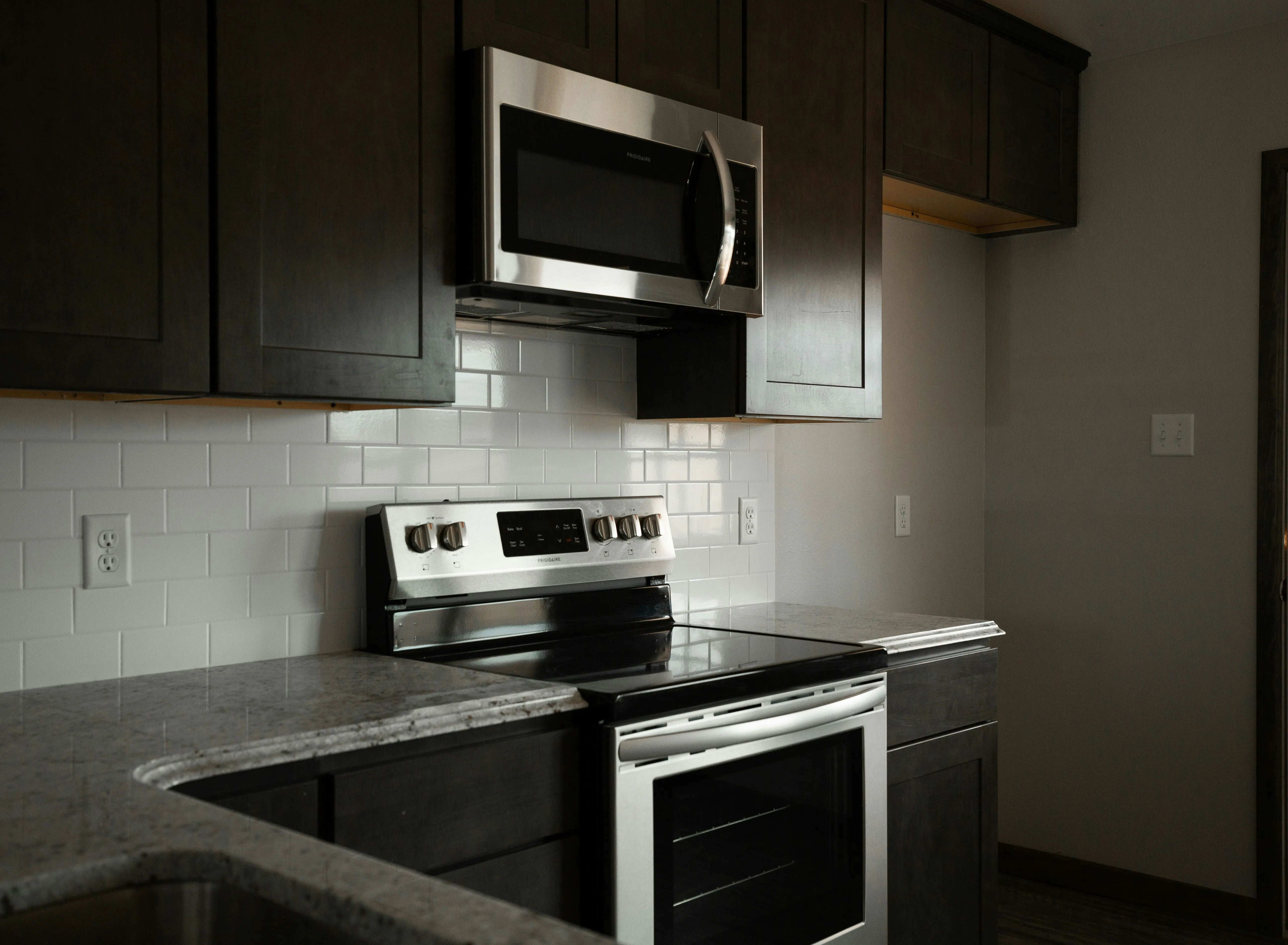
3、Oven
1. Precise control of preheating time
You can save 20% of energy by preheating the oven to the set temperature before putting in the ingredients. Calibrate the built-in thermostat with an oven thermometer to avoid "overheating". Experiments show that for every one-minute reduction in preheating time, energy consumption per baking is reduced by 3 percent.
2. Batch cooking strategies
Adopting the principle of "multiple uses in one pot", it can bake various ingredients simultaneously. Using convection mode can reduce baking time by 15% and save 20% of energy. Leave a 3cm gap between baking trays to ensure smooth circulation of hot air and avoid reheating due to local overheating.
.png)
4、Dishwasher
1. Full-load operation benefits
When the dishwasher is running at full load, the energy per use averaged out to just 0.1-0.2 kilowatt-hours per dish is much lower than hand washing. The experiment showed that the energy consumption increased by 30% when running half a load, and there was no significant improvement in the cleaning effect.
2. Mode selection is scientific
Select the "Energy-saving Wash" mode and reduce the water temperature to 50°C (70°C in the standard mode) to save 25% of energy. Using a special dishwashing powder can reduce the number of rinses and save 10% of water. Regularly clean the filter and spray arm to maintain optimal water flow pressure.
.png)
5、Advanced Techniques
1. Smart home appliance linkage
Smart refrigerators can be linked to ovens to recommend energy-efficient recipes based on the storage status of the ingredients. Smart sockets monitor home appliances' real-time energy consumption and generate energy reports to help optimize usage habits.
2. Daily habit optimization
Develop the "plug and use" habit and avoid leaving your appliances in standby mode. Regularly clean the casings and vents of your appliances to maintain optimal heat exchange efficiency. Use energy-saving label appliances, with energy efficiency grade 1 saving more than 30 per cent compared to grade 3.
Conclusion:
The above are power-saving tips for common kitchen appliances, from daily operations to maintenance habits, every step is practical. By adjusting the power consumption and paying attention to the details of maintenance, you can save money and keep your appliances serving stably for a longer time. Energy saving can actually be very simple.